Best Roof for Hot Climates: Top Materials & Tips
- Gorilla Roof
- Nov 17, 2025
- 4 min read

Choosing the best roof for hot climates is one of the most important decisions for homeowners living in areas with intense sunlight and high temperatures. Hot weather can cause roofing solutions materials to expand, contract, fade, and deteriorate faster than usual. This makes it essential to choose a roofing system that can reflect heat, withstand extreme UV exposure, and help keep your home naturally cooler.
If you’re wondering what type of roof is best for hot climate regions, this guide breaks down the top-performing materials, how hot reflective roofing works, and essential maintenance tips for long-term durability.
Why Roof Choice Matters in High-Temperature Regions
Hot climates expose roofs to extreme, prolonged heat that can shorten a roof’s lifespan. Materials that absorb heat can transfer it indoors, increasing cooling costs and creating uncomfortable living conditions. Understanding which roof is best for hot climate environments can help ensure energy efficiency, long-term performance, and cost savings.
The right roof should offer:
High solar reflectivity
Excellent thermal performance
Resistance to cracking or warping
A long lifespan even under harsh UV exposure
With these factors in mind, let’s explore the best roofing materials for hot and desert climates.
1. Metal Roofing – Highly Reflective and Durable
Metal roofing consistently ranks among the best roofs for hot climates due to its exceptional heat-reflective properties. Instead of retaining heat, metal roofs bounce sunlight away, reducing the temperature of your attic and overall home.
Why Metal Roofing Works Well in Heat
Naturally reflective surface
Compatible with hot reflective roofing coatings
Lightweight and resistant to thermal movement
Long lifespan of 40–70 years
Reflective metal roofing can lower roof surface temperatures by up to 50 degrees, making it ideal for both humid and desert environments.
2. Clay & Terracotta Tiles – A Classic Choice for Hot Regions
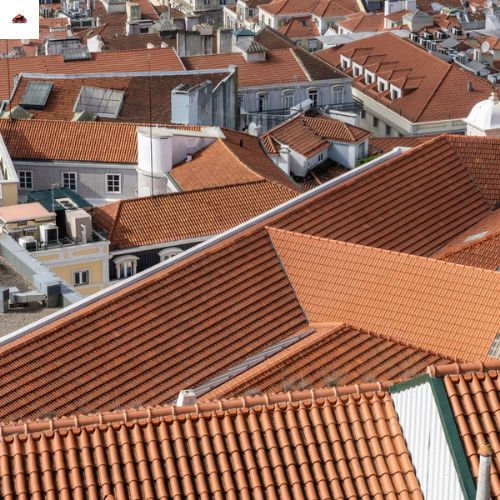
Clay and terracotta tiles are among the oldest and most trusted roofing materials for high-heat areas. Their design and composition help them stay cool even under continuous sun exposure.
Benefits of Clay and Terracotta Tiles
High thermal mass slows heat transfer
Curved shapes promote natural ventilation
Resistant to fading, cracking, and UV damage
Extremely durable with minimal maintenance
These tiles are a top recommendation when homeowners ask what type of roof is best for hot climate homes in Southwestern, Mediterranean, or desert regions.
3. Concrete Tiles – Strong, Insulating, and Heat-Resistant
Concrete tiles offer similar advantages to clay but typically cost less. Their density makes them excellent at keeping interior spaces cooler.
Why Concrete Tiles Are Great for Hot Climates
Excellent insulation and heat resistance
Available in cool colour options for better reflectivity
Extremely durable against harsh sun
Long lifespan of 40–50 years
When paired with a high-quality underlayment and attic ventilation system, concrete tiles offer strong protection from extreme heat.
4. Cool Roof Shingles – Reflective and Budget-Friendly
Cool roof shingles are specially designed asphalt shingles made with reflective granules that reduce heat absorption.
Advantages of Cool Roof Shingles
Reduce heat retention by 20–30%
Affordable and widely available
Ideal for traditional home designs
Lower indoor temperature and electricity bills
This roofing system is a great choice for homeowners looking for hot reflective roofing without switching to premium materials like metal or tile.
5. Slate Roofing – Premium Longevity and Heat Performance
Slate is a high-end roofing material known for its natural heat resistance and extremely long lifespan.
What Makes Slate Ideal for Hot Weather
Naturally reflective and UV-resistant
Exceptional insulation properties
Lifespan of 75–200 years
Minimal maintenance requirements
Although expensive and heavy, slate roofs offer unmatched performance in both high-heat and mixed-climate regions.
Tips to Maximize Roof Performance in Hot Climates
Selecting the best roof for a hot climate is only the first step. Proper installation, ventilation, and maintenance play a major role in ensuring long-term durability.
1. Improve Attic Ventilation
Good ventilation reduces heat buildup, prevents moisture problems, and helps your New Roof Installation in Denver and HVAC system work efficiently. Balanced intake and exhaust vents are essential in hot regions.
2. Use Reflective Roof Coatings
Reflective coatings:
Enhance heat resistance
Protect roofing materials from UV damage
Lower roof surface temperatures
Improve energy efficiency
They work especially well on metal roofs and low-slope systems.
3. Perform Regular Maintenance in Extreme Conditions
Proper roofing maintenance for extreme temperatures helps prevent premature aging and costly Roof Repair Services. Essential steps include:
Inspecting for cracks, loose tiles, or lifted shingles
Checking sealant, caulking, and flashing
Cleaning debris that can trap heat
Reapplying reflective coatings as needed
Homeowners in dry desert regions should also follow roofing maintenance for desert climates, as intense sunlight and sand exposure can accelerate wear.
Conclusion
Finding the Free Roof Inspection in Denver means choosing materials that reflect sunlight, resist UV damage, and maintain structural integrity under intense heat. Metal roofing, clay tiles, concrete tiles, cool roof shingles, and slate are all excellent choices depending on style, budget, and climate.
When combined with reflective coatings, proper ventilation, and regular maintenance, these roofing systems can dramatically improve home comfort, energy efficiency, and long-term durability—even in the harshest desert temperatures.

Comments